Why Intrusive Thoughts Get Worse at Night

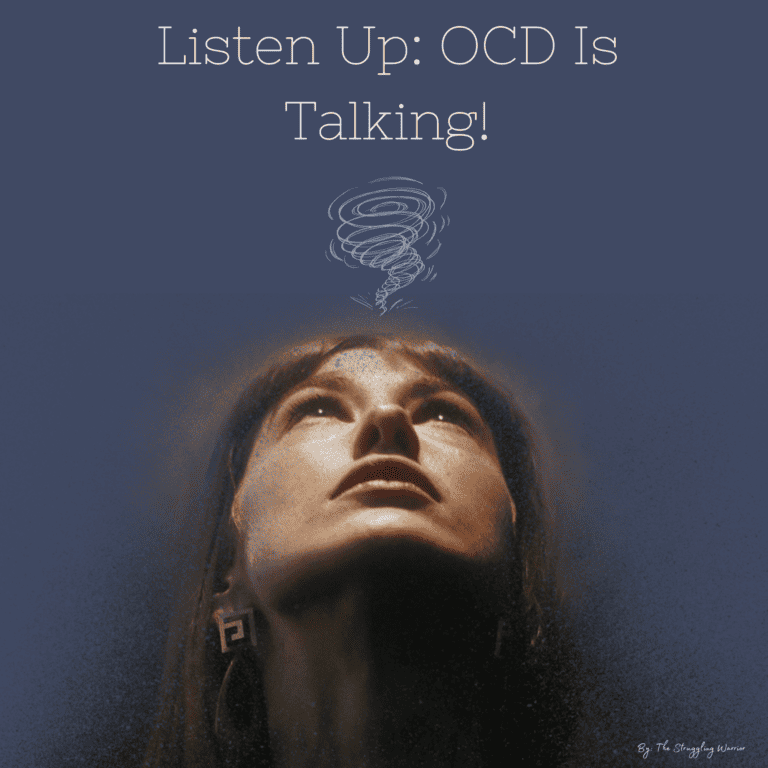
Intrusive thoughts get worse at night because the mind is no longer distracted by daytime activity. Silence and stillness give thoughts more space. Fear feels louder in the quiet.
At night, the brain has fewer external anchors. Attention turns inward. OCD takes advantage of this shift.
How Fatigue Lowers Emotional Regulation
Mental exhaustion weakens the brain’s ability to regulate emotions. When tired, the mind reacts more strongly to threat signals. Thoughts feel heavier and harder to dismiss.
Fatigue reduces logical filtering. Emotional responses come first. This makes intrusive thoughts feel more powerful.
Why Silence Makes Thoughts Feel Louder
During the day, noise and movement dilute attention. At night, silence removes those buffers. Thoughts take center stage.
OCD thrives when attention is undivided. The quieter it is, the easier it is for fear to dominate. This is why nighttime feels overwhelming.
The Role of Anxiety at Bedtime
Anxiety often spikes before sleep. The brain reviews the day and anticipates tomorrow. This mental state feeds intrusive thoughts.
The body is still, but the mind remains alert. That mismatch creates tension. Intrusive thoughts rush in to fill the gap.
Why Intrusive Thoughts Feel More Real at Night
Darkness and fatigue increase emotional sensitivity. Sensations feel stronger. Thoughts feel more vivid.
The brain is closer to dream-like processing. Imagination blends with emotion. This makes thoughts feel convincing.
Common Compulsions That Keep Nighttime Thoughts Alive
Mental reviewing is common at night. You replay thoughts to understand or neutralize them. This keeps the brain awake.
Reassurance seeking may happen internally. You try to convince yourself everything is okay. This delays sleep and strengthens OCD.
Why Trying to Force Sleep Backfires
Trying to force your mind to be quiet increases pressure. The brain senses urgency. Anxiety rises.
Sleep cannot be controlled directly. The more you try, the more alert you become. OCD feeds on that struggle.
ERP and Nighttime Intrusive Thoughts
ERP teaches you to allow intrusive thoughts without engaging. You let them exist while remaining still. Anxiety rises and falls naturally.
Over time, the brain learns that nothing bad happens. Nighttime becomes less threatening. Sleep comes easier.
ICBT Perspective on Nighttime Thoughts
ICBT focuses on the meaning you assign to thoughts at night. Fatigue does not equal danger. A thought at night is not more important than one during the day.
Removing meaning reduces urgency. The thought loses emotional weight. Calm returns.
How to Respond When Thoughts Appear at Night
Notice the thought without analyzing it. Let it pass without mental effort. Focus gently on rest, not silence.
You don’t need to make the thought stop. Allowing it removes pressure. This supports sleep naturally.
Why Nighttime Intrusive Thoughts Don’t Mean You’re Regressing
Nighttime flare-ups are common in OCD. They do not mean recovery is failing. They reflect fatigue, not danger.
Progress is not linear. Night is simply a vulnerable time. Understanding this reduces fear.
When to Seek Support
If intrusive thoughts worse at night are affecting your sleep and wellbeing, support can help. ERP, CBT, and ICBT are effective approaches. You don’t have to face this alone.
Final Message: Nighttime Thoughts Are a Brain State, Not a Truth
Intrusive thoughts get worse at night because the brain is tired, not because they matter more. Let them pass without engagement. Rest will return.