Mental Compulsions OCD: The Hidden Rituals Nobody Sees

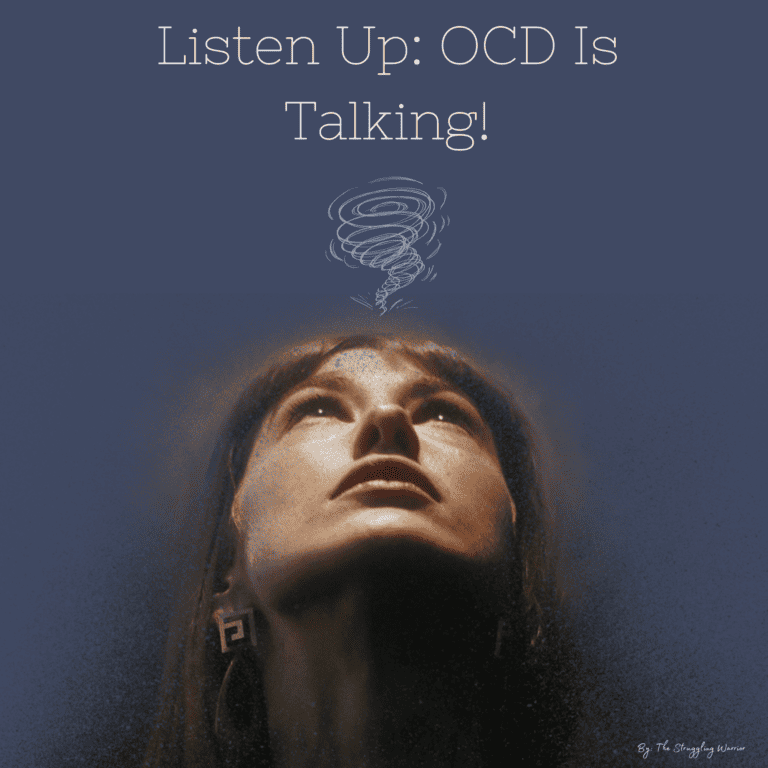
Mental compulsions OCD often feels exhausting because the rituals happen entirely in your head. There is no visible behavior, yet the anxiety feels constant. You may feel stuck in nonstop thinking with no relief.
Because no one else can see these rituals, many people don’t realize they are compulsions. They assume they are just “overthinking.” In reality, these mental behaviors are fueling OCD just as strongly as physical rituals.
What Mental Compulsions OCD Actually Is
Mental compulsions OCD involves internal actions performed to reduce fear, guilt, or uncertainty. These actions are responses to intrusive thoughts. They are meant to bring relief, but they do the opposite.
The brain treats mental compulsions the same way it treats physical ones. Even though nothing changes externally, the OCD cycle stays active. The disorder doesn’t care whether the ritual is visible or hidden.
Why Mental Compulsions Are So Hard to Notice
Mental compulsions happen automatically and feel like thinking, not doing. Because they are internal, they blend into normal mental activity. This makes them difficult to identify.
You may believe you are being responsible or cautious by thinking things through. OCD uses this belief to stay hidden. The ritual feels logical, even when it’s harmful.
Common Forms of Mental Compulsions OCD
Many people repeatedly review intrusive thoughts to understand why they appeared. Others replay conversations or memories to check for mistakes. These behaviors feel necessary, but they are compulsions.
Some people check their emotions or bodily sensations to see if they reacted “wrong.” Others mentally argue with the thought to prove it isn’t true. All of these actions strengthen OCD.
Why Mental Compulsions OCD Makes Thoughts Stronger
Each time a mental compulsion reduces anxiety, the brain learns that the intrusive thought was dangerous. Relief becomes evidence. The mind starts bringing the thought back more often.
This is why intrusive thoughts feel persistent. The problem isn’t the thought itself. The problem is the mental ritual attached to it.
Mental Compulsions OCD vs Normal Thinking
Normal thinking moves toward resolution. Mental compulsions loop without an endpoint. You think, feel uncertain, and think again.
If a thought feels urgent, repetitive, and emotionally charged, it is likely a compulsion. Helpful thinking creates clarity, not fear. OCD thinking does the opposite.
The Role of Uncertainty in Mental Compulsions OCD
Mental compulsions OCD is driven by intolerance of uncertainty. The mind demands absolute answers about thoughts, intentions, or outcomes. When certainty is impossible, anxiety takes over.
Mental rituals are attempts to eliminate uncertainty. But uncertainty is part of being human. OCD survives by convincing you otherwise.
How Mental Compulsions OCD Shrinks Your Life
Because the rituals happen constantly, mental energy gets drained. You may feel detached, mentally tired, or unable to focus. Life becomes quieter, smaller, and heavier.
Over time, you may avoid situations that trigger intrusive thoughts. Avoidance reinforces fear. The internal world becomes the battleground.
ERP for Mental Compulsions OCD
ERP teaches you to notice intrusive thoughts without performing the mental ritual. You allow the discomfort without analyzing, fixing, or canceling the thought. This feels uncomfortable but is powerful.
When the ritual stops, the brain learns the thought is not dangerous. Anxiety rises and falls on its own. This weakens OCD at its core.
ICBT Approach to Mental Compulsions OCD
ICBT focuses on the conclusion you draw from the intrusive thought. The thought exists, but the fear-based interpretation has no evidence. Challenging that inference removes meaning.
When meaning disappears, the urge to perform mental rituals weakens. The thought loses importance. The cycle begins to break.
How to Respond to Mental Compulsions OCD
Notice when you are trying to mentally “solve” a thought. Pause and allow the uncertainty instead of chasing an answer. This interrupts the ritual.
You don’t need to replace the thought with a better one. Let it sit without engagement. Non-action is the corrective response.
Why Mental Compulsions OCD Does NOT Mean You’re Broken
Mental compulsions OCD affects people who are thoughtful, responsible, and self-aware. Your mind is trying to protect you. It’s just using the wrong strategy.
These patterns are learned, not permanent. With the right tools, they can be unlearned. Relief is possible.
When to Seek Support
If mental compulsions OCD is dominating your thoughts or daily life, professional help can make a major difference. ERP, CBT, and ICBT are effective treatments. You do not have to manage this alone.
Final Message: You Don’t Have to Solve Every Thought
Mental compulsions OCD survives on engagement. The less you engage, the weaker it becomes. Peace grows when you stop feeding the ritual.